
Speakers: Michelle Schulp
-

Michelle Schulp: But Why? Designing For Strategy
WordCamp Orlando 2015Speaker: Michelle SchulpJanuary 19, 2016 — Designers and non-designers alike can get caught up in the aesthetics and functionality of a website, and forget that every decision made should be supported by an underlying strategy. We will discuss how to find your site’s primary call to action and create experiences that support that goal. We will also evaluate design choices of many well-known sites as we examine how they help (or hinder) common goals. Whether you’re a designer, developer, or a person maintaining a site, you will come away with a critical eye for evaluating design patterns and a process for narrowing down a design strategy.
-

Michelle Schulp: Make The Logo Bigger: Becoming The Client Your Developer Loves
WordCamp NYC 2015Speaker: Michelle SchulpDecember 20, 2015 — No matter who you are, everyone seems to need a website, and that often means hiring a designer, developer, or agency to do some work for you. But how do you communicate about something that is outside your realm of experience, much less help direct the project to suit your business? That’s why you hired someone, after all! We’ll unmask the “magic” of web design and learn to ask constructive questions, give useful feedback, and develop a collaborative relationship that will benefit both of your businesses.
-

Michelle Schulp: How To Speak Unicorn – Improving Designer/Developer Collaboration
WordCamp Miami 2015Speaker: Michelle SchulpJune 27, 2015 — It seems that designers and developers speak different languages: developers are fluent in How, while designers are fluent in Why. Both are extremely important to a project, but this difference often leads to communication breakdowns. This talk gives developers insight into the design process, including vocabulary, problem-solving methods, and workflow, and outline some simple methods to avoid “fail points” along the way.
-

Michelle Schulp: Beyond Whitespace – Designing for Complex Content
WordCamp Minneapolis 2015Speaker: Michelle SchulpMay 17, 2015 — This presentation explores how to use design principles to organize and display elaborate user experiences like mega-menus, massive news sites, high-information catalog pages, and multi-level interactions.
-

Panel Discussion: Running An Agency
WordCamp Orlando 2014Speakers: Scott Mann, Karim Marucchi, James Tryon, Michelle SchulpMarch 30, 2015 — A discussion with four agency owners in a moderated panel. Learn what makes them tick.
-

Michelle Schulp: Designing for Development, The Value of Collaborative Design
WordCamp Orlando 2014Speaker: Michelle SchulpMarch 13, 2015 — The old “waterfall” model of design, development, and client partnerships, where projects are expected to be handed off from one entity to the next, often falls short among changing scopes, project discovery processes, and evolving requirements. This talk discusses the added value that up-front communication and agile collaboration methods bring to a web-based project to save time, money, and headaches. Primary: for project managers, contractors, agencies, and anyone else who has to manage or work with multiple team members on a web project.
-
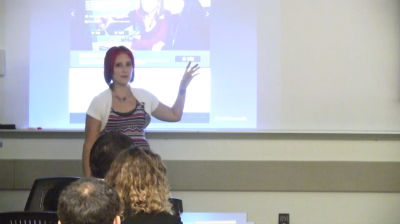
Michelle Schulp: Design Is In The Details – How Decisions Shape Communication
WordCamp Grand Rapids 2014Speaker: Michelle SchulpNovember 6, 2014 — People put a lot of effort into putting a website together, but often stumble at the finish line when it comes to making their final design decisions. Learn how seemingly minor design choices have a huge impact on how people interact with and understand the content of your site. In this video, Michelle Schulp goes through specific examples of simple design tweaks that make a big difference.
-

Michelle Schulp: A Website Is Not A Poster
WordCamp Chicago 2014Speaker: Michelle SchulpJuly 1, 2014 — In the world of print, designers have control over every point and pica, but with all the variables inherent to the web, that same desire for control leads to headaches, frustration, and bad practices. This presentation talks about specific guidelines to let go of that control and design more effectively for the web, as well as how to collaborate with developers to ensure a successful project without all the usual struggles.
-

Michelle Schulp: Design Is In The Details: How Decisions Shape Communication
WordCamp Minneapolis 2014Speaker: Michelle SchulpMay 7, 2014 — Learn from examples that show how specific design decisions influence UX and effectiveness. This talk goes through specifically what works and what doesn’t.
This session is for all non-designers (new and advanced developers, business owners, site dabblers, etc) that want to learn more about design and UX decisions to apply to their own work, or have better conversations with their team members. -

Michelle Schulp: A Website Is Not A Poster: Designing Successfully For The Web
WordCamp Phoenix 2014Speaker: Michelle SchulpFebruary 6, 2014 — In the world of print, designers have control over every point and pica, but with all the variables inherent to the web, that same desire for control leads to headaches, frustration, and bad practices. Learn specific guidelines to let go of that control and design more effectively for the web, as well as how to collaborate with developers to ensure a successful project without all the usual struggles.

An  Brainchild
