
Speakers: Sal Ferrarello
-

Introduction to Unit Tests
WordCamp Montclair 2024Speaker: Sal FerrarelloAugust 17, 2024 — Units tests are extra lines of code that check to see whether or not the rest of the code we’ve written behaves the way we want it to. While it might seem paradoxical that writing more code can reduce development time, it’s true. Writing unit tests has made me a better developer. Not only does it help me catch bugs, but it has taught be how to write better code. We’ll look at unit testing, how you can start using it today without a formal testing framework, and also how to write your code to make it easier to unit test.
-

Fun with the WordPress REST API
WordCamp Montclair 2023Speaker: Sal FerrarelloOctober 2, 2023 — We typically think of WordPress as publishing information for humans, but WordPress is also quite good at publishing information for computers via the WordPress REST API. We’ll look at how to write code to retrieve this information and how to extend the WordPress REST API so our WordPress site can serve our own custom information.
-

Sal Ferrarello: Introduction to the WordPress Database
WordCamp Lancaster 2019Speaker: Sal FerrarelloJune 2, 2019 — All of the data for your WordPress site is stored in the database. We’ll look at what this means and how this information is organized. Understanding the WordPress database has allowed me to perform emergency maintenance on sites and made me a better developer. Join me for this light-hearted romp through the WordPress database (no prior database experience necessary).
-

How to avoid mucking up your DNS
WordCamp Lehigh Valley 2018Speaker: Sal FerrarelloFebruary 11, 2019 — When I started working with websites, modifying DNS settings terrified me. We’ll discuss the things I wished I knew then: A records, CNAMEs, TTLs, name servers, and how to test these things. We’ll look at things I broke and how the problems could have been avoided. Like so many things, DNS settings don’t need to be feared, they need to be understood.
-

Sal Ferrarello: Introduction to Post Meta
WordCamp Philadelphia 2018Speaker: Sal FerrarelloDecember 7, 2018 — One of the things that makes WordPress so powerful is its extensibility. While in some cases a post may consist of no more than a Title and Content, in other cases there may be a great deal of additional information associated with it. Posts can be enhanced with things like colors, external URLs, subtitles, and logos, all of which can be stored as WordPress post meta values. We’ll look at how to add these values and how to modify our theme to display them.
-

Sal Ferrarello: Introduction To Post Meta
WordCamp D.C. 2017Speaker: Sal FerrarelloNovember 9, 2017 — One of the things that makes WordPress so powerful is its extensibility. While in some cases a post may consist of no more than a Title and Content, in other cases there may be a great deal of additional information associated with it. Posts can be enhanced with things like colors, external URLs, subtitles, and logos, all of which can be stored as WordPress post meta values. We’ll look at how to add these values and how to modify our theme to display them.
-
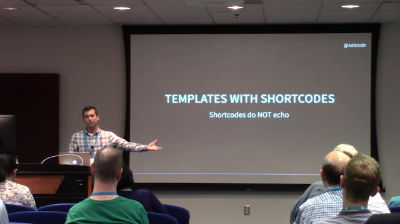
Sal Ferrarello: Making Your Code Easy To Extend
WordCamp Baltimore 2017Speaker: Sal FerrarelloOctober 23, 2017 — Plugin angst – That horrible feeling when you find a plugin that does *almost* exactly what you want but to get the right behavior you’ll have to change some code. And by changing the code, you lose the ability to update the plugin, which means missing out on security patches, bug fixes, and new features.
We’ll look at how plugin authors can help you avoid this angst by writing extensible code. Plugin behavior can then be modified without making changes the original code. -
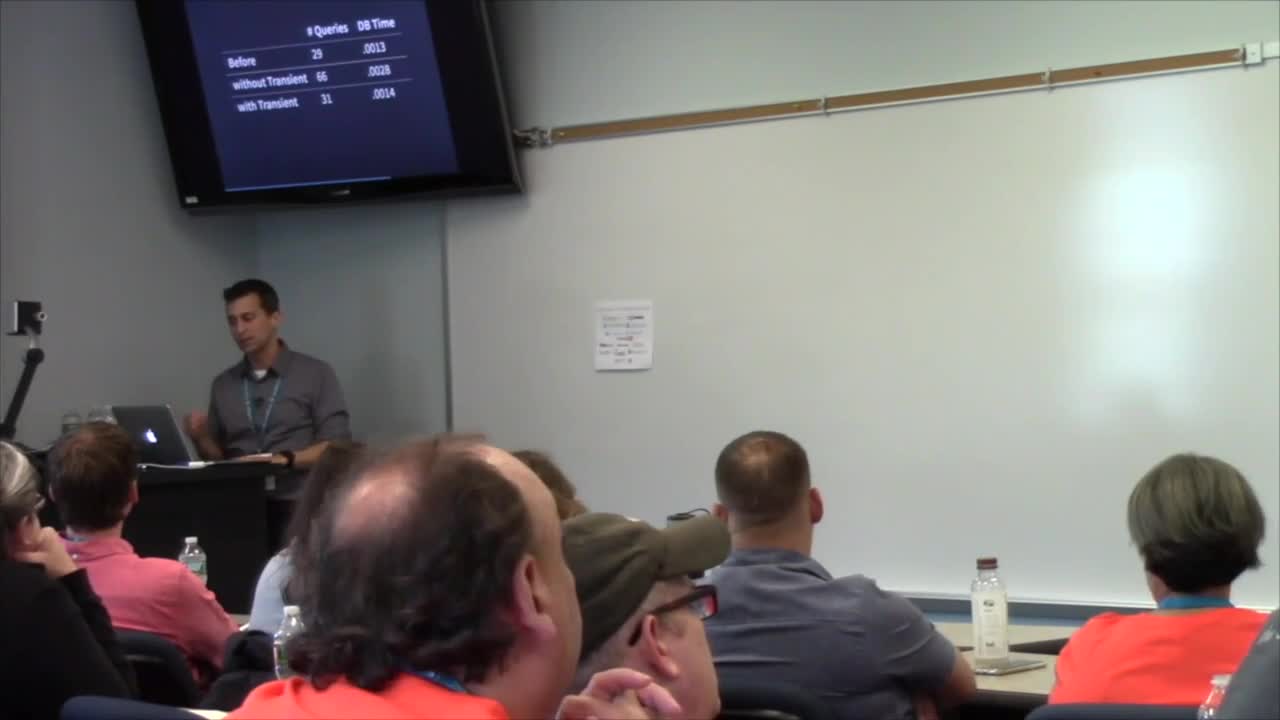
Sal Ferrarello: Getting Started With Transients
WordCamp Lehigh Valley 2017Speaker: Sal FerrarelloOctober 19, 2017 — Computers are good at doing things quickly, but some things take longer than others (even for computers). Transients are a great tool for freeing your website from repetitive, time-intensive tasks. We’ll look at examples of when a transient can be helpful and the code used to implement them.
-

Sal Ferrarello: Blogging – The Best Thing I’ve Done as a Developer
WordCamp US 2016Speaker: Sal FerrarelloDecember 19, 2016 — As a developer, there are many experiences which have helped me grow and improve. None of them have been as valuable as blogging. We’ll look at how blogging has helped me as a developer and why I think you should be blogging, too.
-

Sal Ferrarello: Best Practices for Creating Custom Post Types
WordCamp Lehigh Valley 2016Speaker: Sal FerrarelloAugust 31, 2016 — Custom Post Types allow you to better organize your site. We’ll look at some common use cases for Custom Post Types, what code to add, where to add it, and some of the nuances that go along with creating them. We will do all of these things without any plugins.

An  Thingamajig
