
‘Theme Development’ Videos
-

Jonathan Ross: WordPress Theme Building Blocks
WordCamp Asheville 2015Speaker: Jonathan RossSeptember 6, 2015 — This session helps you make sense of the basic code and files you need to make a simple theme… and explore some of the features you can add on to make more advanced themes. We dive into the template hierarchy, custom template files, useful functions, child themes, and customizing loops. Lots of code will be demonstrated, so it is best that you have a good foundation in HTML at least.
-

Michael DeWitt: Developing WP Themes with Using Modular Sass
WordCamp Boston 2015Speaker: Michael DeWittJuly 28, 2015 — CSS preprocessors make developing clean and semantic stylesheets effortless. My talk takes someone through a basic structure for organizing Sass within a WordPress theme, using the Bones theme framework as an example. I go through some of the benefits and cool tricks you can implement with this structure including breakpoint includes, variables, functions, nesting, and mixins. Finally I address perhaps the greatest hurdle to immediately implementing Sass in your WordPress theme — compiling. I take people through the common methods of doing this including Grunt, Compass, and WordPress plugins like WP-SCSS.
-

Tony Kovanen: WordPress REST API and the Future of Themes
WordCamp Finland 2015Speaker: Tony KovanenJuly 8, 2015 — This talk is on the current and future possibilities offered by the REST API in Jetpack and future WordPress versions for theme and plugin developers.
-

Luc Princen: The Javascript Theme – business in the front, WordPress in the back
WordCamp Cologne 2015Speaker: Luc PrincenJune 30, 2015 — JavaScript now offers one of the best ways to deliver a clean, well-structured front end for your WordPress website. In Luc’s talk we’ll combine tools like the REST API, Backbone and Handlebars to give developers more control then ever and a theme that’s a delight to both build and maintain.
-
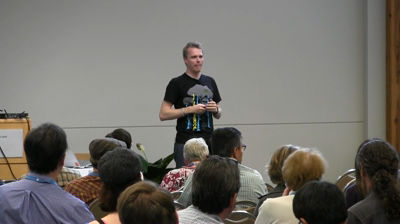
Morten Rand-Hendriksen: Building Themes From Scratch Using Underscores (_S)
WordCamp Seattle 2015: Experienced EditionSpeaker: Morten Rand-HendriksenJune 9, 2015 — This presentation looks at design and development decisions and principles including mobile-first, accessibility, responsive design, and information architecture, and takes a deep dive into the structure of the Underscores theme to show the audience how to build a theme from the ground up to become what you envisioned and more.
-

Adrian Restantia: Design Workflow in Agency Environment for Rapid WordPress Development
WordCamp London 2015Speaker: Adrian RestantiaJune 1, 2015 — Adrian presents the internal design workflow that used at Moove to ensure that they can work in so called ‘rapid development mode’ here. He explains how this internal design workflow is important for the team of WordPress developers. He also explains how this design process can make developer’s life easier in the html / css coding stage, shorten timelines and result in better development work.
-

Jack Lenox: Building Themes With the REST API
WordCamp London 2015Speaker: Jack LenoxMay 31, 2015 — With the REST API shortly due to be merged into WordPress core, this will be a talk/workshop about advanced theming techniques that allow theme developers to utilise it. The session takes the shape of a step-by-step method of building a theme that mixes best practice, current theming techniques with pioneering theming techniques of the future. It includes a considerable focus on JavaScript and a number of the libraries written with it, and how these technologies can be combined with current themes and the REST API to open up a whole new epoch in the development and design of WordPress themes.
-

Samantha Miller: The Basics of Unique Theme Development
WordCamp London 2015Speaker: Samantha MillerMay 30, 2015 — Many WordPress websites use hand-crafted themes intended solely for one website. Creating a WordPress theme from scratch can seem daunting at first, but it is not as tricky as you may think. The talk is aimed at people who want to create a one-off theme for a single website (eg. a client project, personal blog), rather than building a theme for distribution. It will require previous knowledge of WordPress, HTML, CSS and basic familiarity with PHP.
-

Josh Leuze: Building Your First Functionality Plugin
WordCamp Minneapolis 2015Speaker: Josh LeuzeMay 20, 2015 — Learn what a functionality plugin is, what belongs in a theme and what should go in a plugin, and how to build a plugin.
-

Russell Aaron: Where Does My Code Go? Plugin or Theme?
WordCamp Minneapolis 2015Speaker: Russell AaronMay 8, 2015 — In the WordPress community, there is a huge debate on whether you should add your code in a plugin or use it in a theme. The answer really depends on who the code is written for. This presentation shares my experiences and best practices to help you determine whether your code should go into a plugin or a theme.

An  Brainchild
