
‘Headless WordPress’ Videos
-

Luis Herranz: Headless WordPress – current status and remaining challenges
WordCamp Europe 2020Speaker: Luis HerranzJune 21, 2020 — Headless CMS architecture is gaining a lot of traction in the CMS ecosystem. WordPress has the potential to become the best headless solution in the market but, although it’s already a nice option, not all the challenges have been solved yet.
In this talk, Luis will walk through all of the available frameworks and explain what can be achieved with each of them. He will compare all the important aspects (SEO, performance, plugin compatibility, DX, UX…) with the PHP themes and the upcoming block-based templates. Finally, once the current status is clear, he will explore the remaining challenges we still need work on to be able to match, or even surpass, the sweet WordPress experience we know and love. -
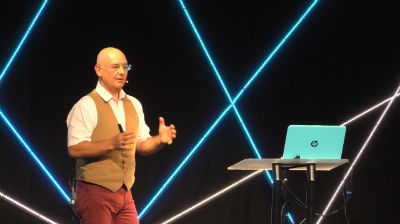
Craig West: Decoupled/Headless WP and WP Components for non-WP sites
WordCamp Brighton 2019Speaker: Craig WestOctober 29, 2019 — Decoupled/Headless WordPress sites allow WordPress to be at the hub of internet technology.
Rather than a ‘them and us’, WordPress can be the bridge for the non-technical client, allowing the decoupled site (which can be just HTML/CSS/JS) to integrate all the non-WordPress technologies.
The client can have the comfort and reassurance of WordPress CMS, the viewer can benefit from all the other non-WordPress technologies.
-

Alex Gustafson: Blazingly Fast Freedom: Headless WordPress and GatsbyJS
WordCamp Dayton 2019Speaker: Alex GustafsonJune 19, 2019 — GatsbyJS has become quite the darling in front-end web development. It runs off popular new technology like React, Webpack, and GraphQL. It generates blazingly fast static sites that are cheap to host and scale. You can use it to make a quick website or an intricate web application. But most importantly it works with almost any data source out there. Enter WordPress from stage left.
WordPress lets the modern developer provide the intuitive, customizable back-end experience that content creators love to use. Headless WordPress provides that same experience while allowing for any front-end development of choice. For your efforts making these ends meet, your visitors are rewarded with sites that load quickly and have the same content awareness they expect from a WordPress site.
-

Thomas Deneulin: Comment aborder la transition WordPress et JavaScript
WordCamp Bordeaux 2019Speaker: Thomas DeneulinJune 3, 2019 — Avec l’arrivée de Gutenberg, WordPress a fait le choix d’utiliser un framework JavaScript ( ReactJS ) et se dirige petit à petit vers des développements « orientés API », notamment grâce à l’API Rest. On peut donc aborder WordPress comme un CMS Headless. De fait, pour rester intégrer à WordPress et utiliser le même langage, il faut savoir aborder le JavaScript mais aussi ReactJS. Comment ?
-

Sarah Ovenall: Lightning Fast Performance with a Headless Home Page
WordCamp Raleigh 2019Speaker: Sarah OvenallMay 10, 2019 — The ability to customize with ease is one of WordPress’ best features. But customization often impacts performance. Add too many bells and whistles and you may end up with a site that’s sluggish and painful to use.
Decoupling, or using WordPress on the backend only, is an effective if somewhat drastic way to improve site performance. In this session we’ll learn a limited version of decoupling WordPress: a headless home page. Decoupling the home page gives you a functional, fast home page that displays WordPress content without invoking WordPress (and without the load time!). We’ll cover different approaches to serving WordPress content outside WordPress, how to seamlessly integrate a headless home page into the rest of the site, and challenges to look out for.
-

Benjamin Read: How We’re Using WordPress as a Headless CMS
WordCamp London 2018Speaker: Benjamin ReadFebruary 6, 2019 — 1. What is a headless (or decoupled) CMS
2. Why use WordPress as a headless CMS
3. Tools and process of building a headless site
4. A basic example and some gotchas we found
5. The Future is (probably) headless

An  Ruckus
