
Author Archive
-
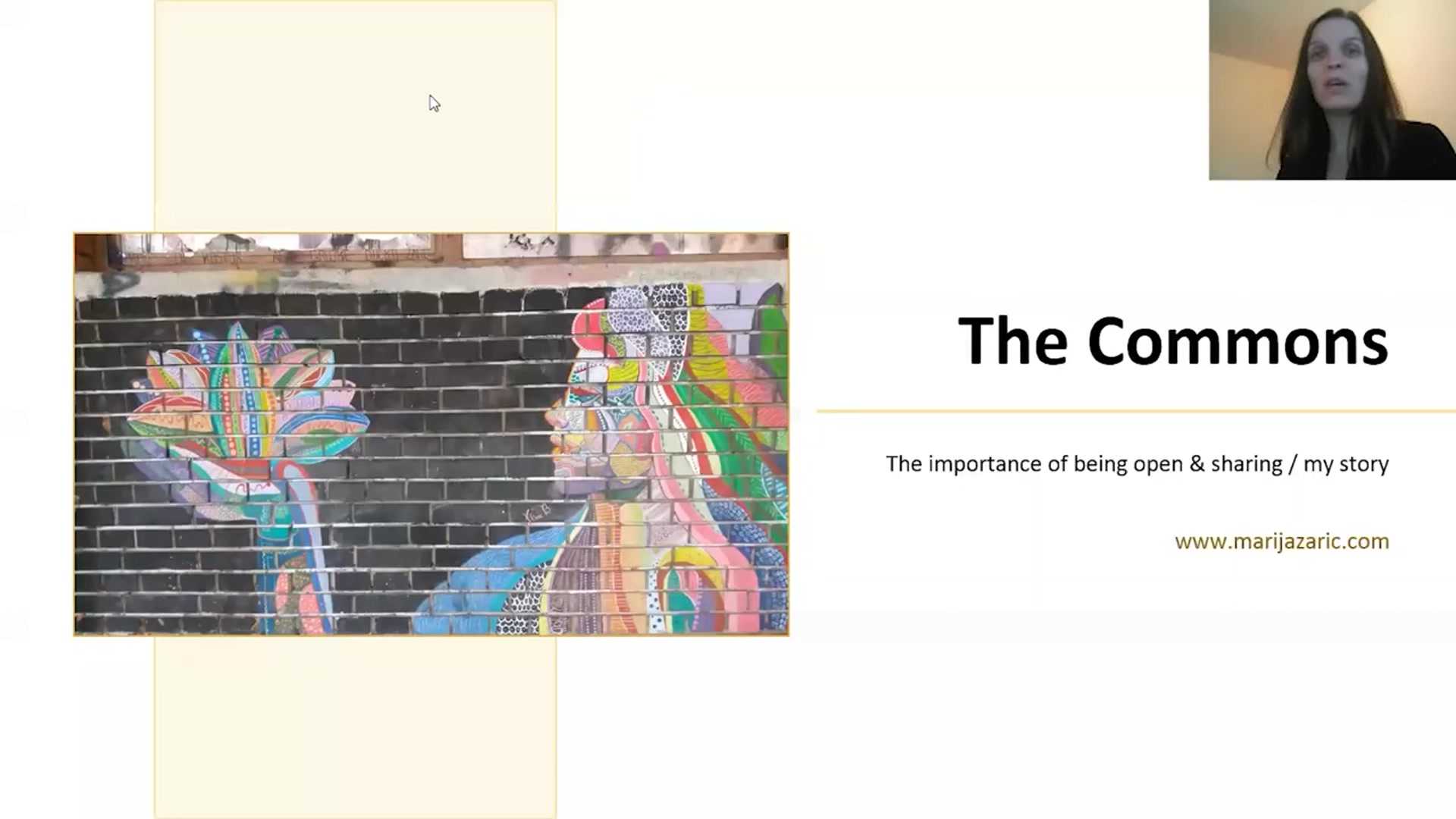
Marija Zaric: The Commons – the importance of being open and sharing. My story.
WordCamp Finland 2020Speaker: Marija ZaricApril 1, 2021 — This talk shares how The Commons gave Marija Zaric an opportunity to learn, contribute, and evolve. The web is built on open source by wonderful altruistic people.
-
Leonardo Losoviz: Introduction to the GraphQL API for WordPress
WordCamp Finland 2020Speaker: Leonardo LosovizMarch 31, 2021 — Plugin author Leonardo Losoviz introduces his GraphQL API for WordPress plugin and its capabilities.
This talk explains some of the advantages over REST: no under/over fetching of data, visual clients to create the query and visualize the data, and other benefits.
-
Nuutti Toivola: How fun is DNS?
WordCamp Finland 2020Speaker: Nuutti ToivolaMarch 30, 2021 — This talk about the Domain Name System will be helpful to anyone who works with domains and publishing new websites.
The presentation includes three sections. It begins with a short explanation of DNS. Next, learn best practices with DNS (security, speed, stability, etc.). The last section shares practical approaches to making DNS management easier and solutions to specific problems you might encounter working with DNS.
-
Raúl Antón Cuadrado: Remote teams leadership public/private keys: Horizontality + Openness
WordCamp Finland 2020Speaker: Raúl Antón CuadradoMarch 29, 2021 — Learn how to encourage participation and engagement through horizontality, openness, and transparency.
-
Imran Sayed: Why Progressive Web Apps for WordPress?
WordCamp Finland 2020Speaker: Imran SayedMarch 28, 2021 — A recent (Comscore) study suggests users spend more time (87%) on a native app compared to mobile web because native apps are more predictable, they work offline, show notifications, and have access to mobile sensors.
However, 78% of the time is spent in the user’s top three apps.
Mobile web has a better reach (100 visits/ month for an average user) but does not does have a native-like experience.
This talk explains how we can get the best of both worlds by using Progressive Web Apps with WordPress to combine the capabilities of native apps and the reach of the web.
-
Miriam Goldman: Level up your coding: The whys and hows of local development
WordCamp Finland 2020Speaker: Miriam GoldmanMarch 27, 2021 — Many developers know to never make changes directly to a live site because of the risk of breaking the website.
But what if you don’t have access to a staging or development environment? Or even if you do, what happens if you are in a situation where you do not have reliable internet access!
Local development environments to the rescue!
-

Bernhard Kau: Rollen & Berechtigungen
WordPress Meetup BerlinSpeaker: Bernhard KauMarch 27, 2021 — Die meisten von euch werden sicher die administrative Rolle verwenden, wenn ihr eure Seiten bearbeitet. WordPress hat allerdings noch vier/fünf weitere Rollen. Eine Rolle definiert sich durch eine Gruppe von Berechtigungen und mit jeder höheren Rolle kommen neue Berechtigungen hinzu. Im ersten Teil des Vortrags möchte ich diese Standardrollen kurz vorstellen.
Im zweiten Teil werde ich dann auf die Frage eingehen, wie man diese Rollen ändern kann bzw. wie man eigene Rollen anlegt. Ein häufig benötigter Anwendungsfall ist hier beispielsweise die Veränderung der Menüs einer Seite durch das Redaktionsteam, dem hierzu standardmäßig die passende Berechtigung fehlt.
Zum Schluss gebe ich noch einen Ausblick, was mit eigenen Rollen noch möglich ist und wie man hierüber Inhalte nur bestimmten Rollen bereitstellen kann.
-

Sebastiaan van der Lans: Fixing fraud and improving SEO with blockchain timestamps
WordCamp Finland 2020Speaker: Sebastiaan van der LansMarch 26, 2021 — The Internet has a deep-rooted trust issue. How do consumers know whether the information presented by websites can be trusted? How can website owners claim ownership of their content?
Blockchain was invented for timestamping documents. With a timestamp, you can prove that you didn’t tamper with your content. With timestamps, search engines can prove your integrity. How are WordPress and blockchain timestamps building blocks for a better internet today?
This talk explains how we can truly fix the broken web with open-source code and community.
-

-
Annelieke van den Berg: How to create a UTM tag protocol
WordCamp Finland 2020Speaker: Annelieke van den BergMarch 25, 2021 — Learn to customize how Google Analytics tracks your traffic data by using UTM tags. With these parameters, you can tell exactly how visitors end up on your site.

An  Ruckus
