
Language: English
-

Josh Eaton and Adrienne Debigare: Getting Classroom Blogging Up and Running in Higher-Education
WordCamp Boston 2016Speakers: Adrienne Debigare, Josh EatonAugust 14, 2016 — The HBS Digital Initiative, in partnership with Reaktiv Studios, has been building a networked classroom blogging tool, called Open Knowledge. Our goal is to make Open Knowledge the destination to create, share, discover and engage in discussions about the future of business within the classroom and beyond.
Implementing such a platform within higher education requires specific technical and social considerations. What about FERPA? Do students feel comfortable doing work publicly and digitally? What back-end tools are need for grading and curation? How can conversations remain civil while also remaining public?
We will share our findings from the last year of design research, user testing, and iterative development. We’ll discuss the ways WordPress might be customized for use in a classroom setting, and then spend as much time as possible for Q&A. Our findings are incredibly compelling for broader implementation, and we are excited to help other schools figure out a similar roadmap!
-
K.Adam White: Machine Learning with WordPress
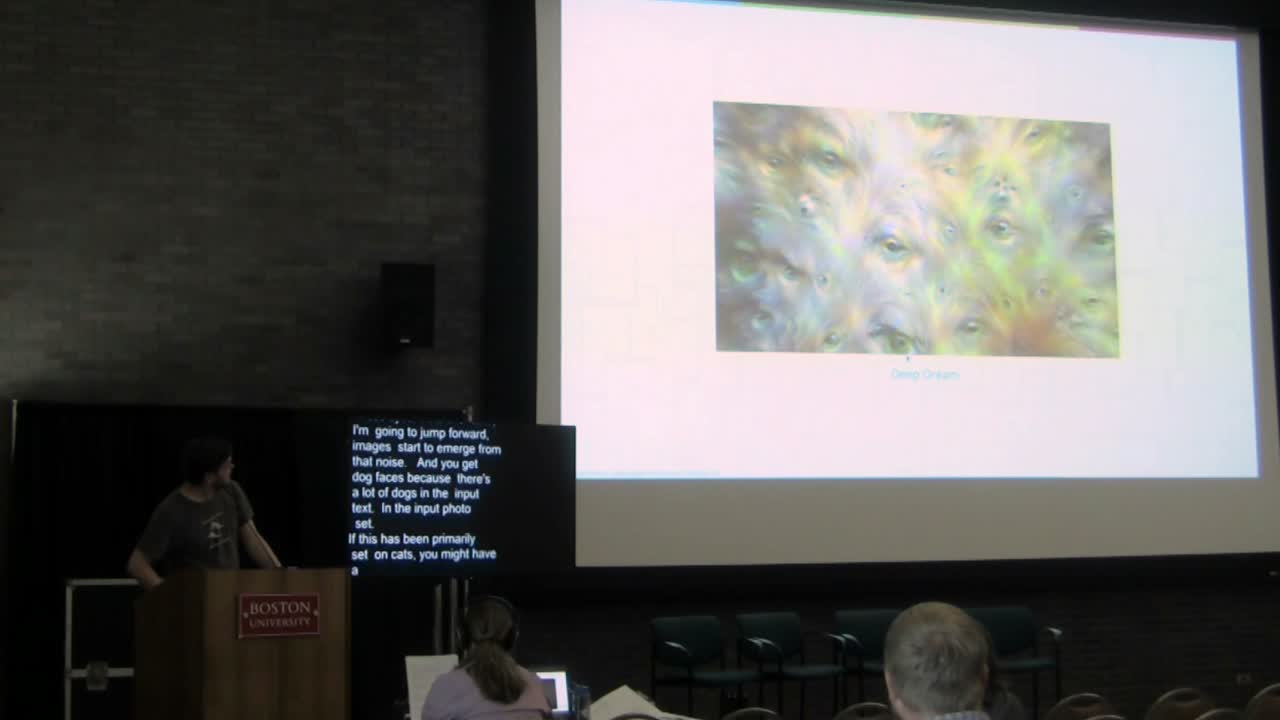
WordCamp Boston 2016Speaker: K. Adam WhiteAugust 14, 2016 — Machine learning, and in particular “deep learning”, have been in the news a lot lately: machine learning lets Google make psychedelic images; machine learning is helping computers to read handwritten text; machine learning lets Facebook match web users to advertisements; machine learning is being used to discover new construction materials. But what is it, and why does it matter to writers? In this talk we’ll learn the basics of neural networks, and see how poets and other writers can use machine learning techniques for creative results.
-
Daniel Miller: The Power of Templates
WordCamp Boston 2016Speaker: Daniel MillerAugust 14, 2016 — WordPress coders have gotten a bad rap for writing messy code. Its a little unfair as there are many great programmers in the community. However, some of the criticism is well deserved. There are far too many plugins and themes that are one big mess of spaghetti php.
WordPress is great, but it doesn’t give us the best tools to write quality code. However, with the use of a templating library such as twig, blade and many others, we have a tool that will help us write a higher quality piece of software. Templates not only have much cleaner syntax then using straight php tags, but they also enforce a separation of concerns.
This talk will cover the various templating options that are available as well the basic methodology and functions of templates.
-
Kristina Romero: Setting Up Monthly WordPress Care Plans for Predicable Income
WordCamp Boston 2016Speaker: Kristina RomeroAugust 14, 2016 — It is a fallacy that as a freelancer or small WordPress agency we should expect our income to be unpredictable. The open source WordPress software allows us to bake into our services ongoing website care plans to keep clients engaged with us and pay us monthly to care for their website. Setting up a recurring revenue stream caring for WordPress websites offers us the financial security we only hope for in our work as designers and developers.
In this WordCamp session, I’ll go over what that looks like from A-Z. We’ll explore what you should offer in your plans, how you setup payment for these plans inside your WordPress website with plugins, and how to carry out those basic website maintenance services from performance scans, security scans, backups, plugin updates and support ticket system for client requests. I’ll also touch upon some challenges you might face with push back from clients and how to address those.
-
Andrea Trew: Why Design Matters
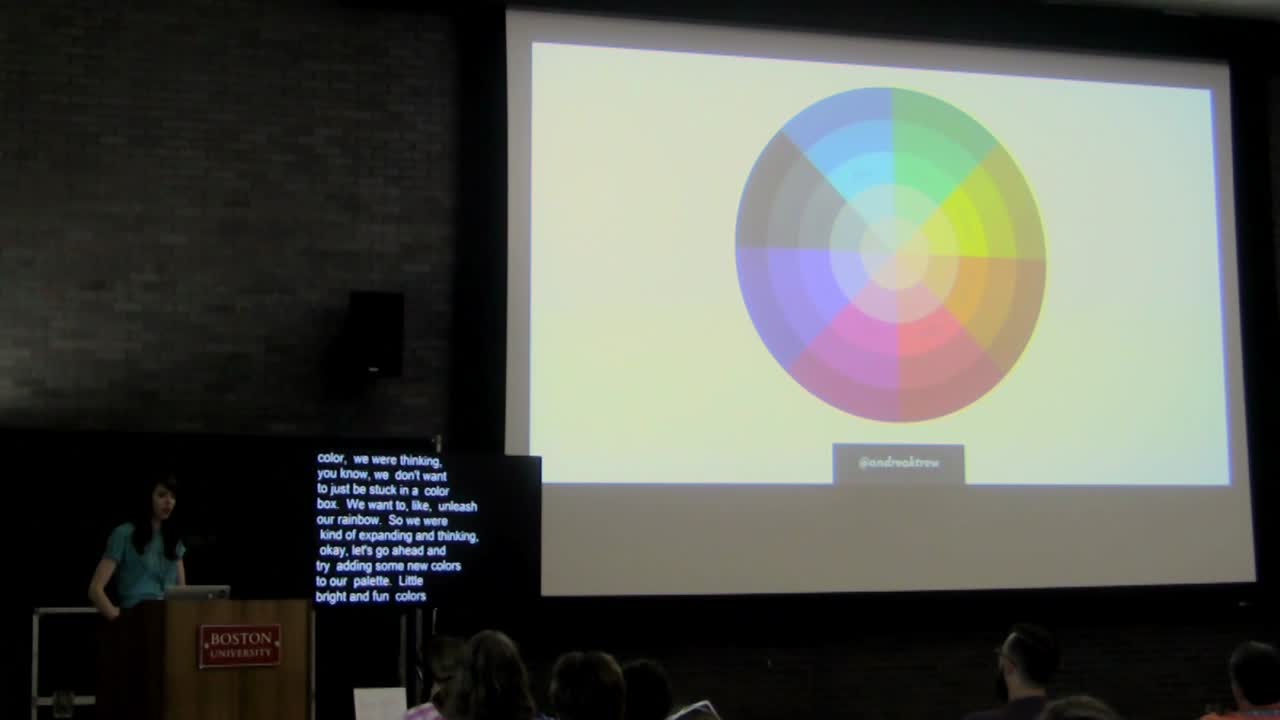
WordCamp Boston 2016Speaker: Andrea TrewAugust 14, 2016 — I’ll give a brief overview of my background as a designer: working for ad agencies to in-house at Flywheel. I’ll explain what I do there, walk through why design is important for tech startups (and any company in general). I’ll dive into the brand evolution of Flywheel, and how it’s positively impacted our growth and outreach.
-
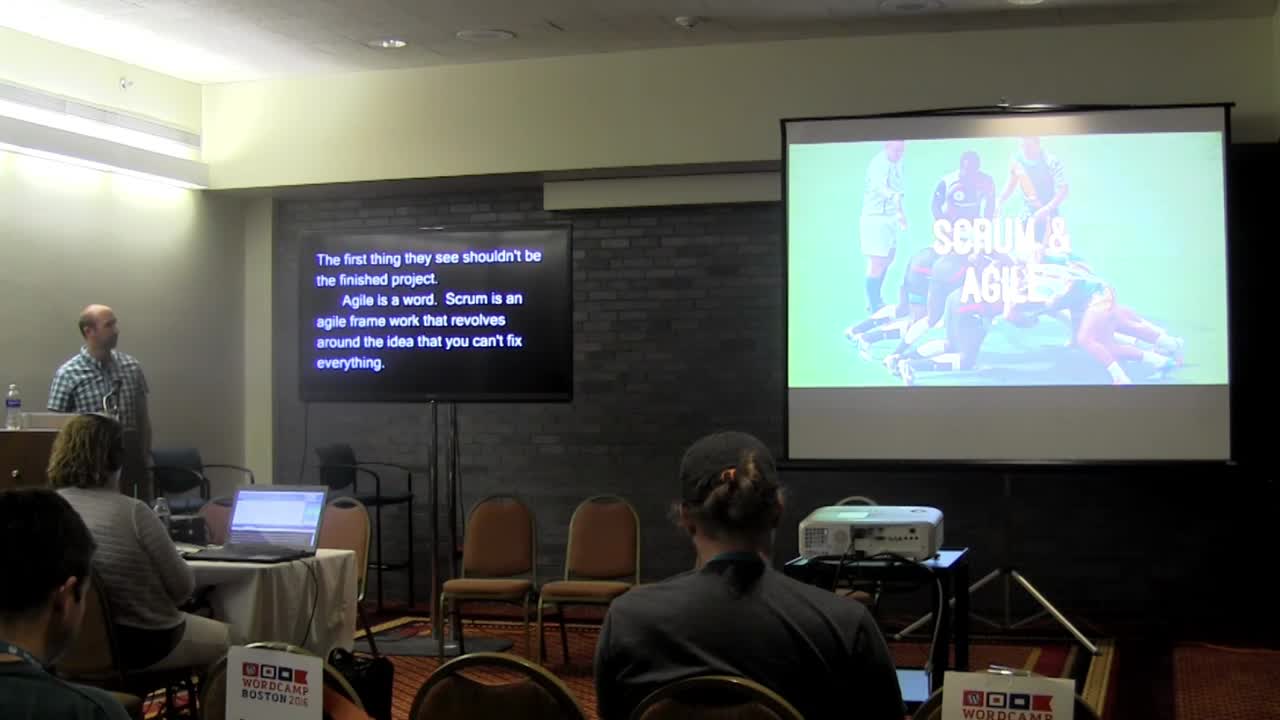
Mike Burns: add_action (‘wp’, ‘for_higher_ed’);
WordCamp Boston 2016Speaker: Mike BurnsAugust 14, 2016 — If you work with or within universities, you know that building applications to support higher education is not for the faint of heart. We’re dealing with legacy systems, homegrown access management and of course limited resources and endless demands from the academic community. But I’m not here to scare you! Instead we’ll talk about how to defeat the higher-ed hydra with WordPress features like multisite, roles and capabilities, theme frameworks, and the REST API. All of these were used and abused to wrangle formidable foes like Boston University and the Harvard Graduate School of Design. In this talk we’ll go through some strategies and examples that might work for you.
-
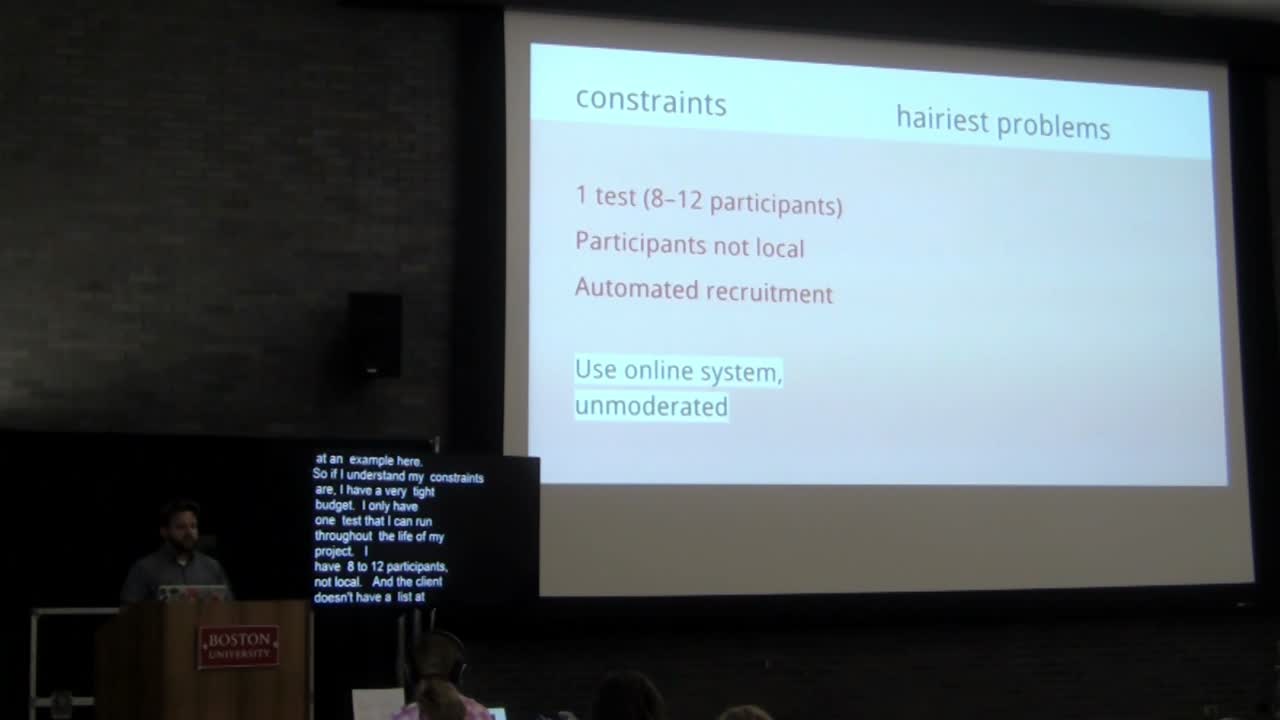
Anthony D Paul: Organizing Your First Website Usability Test
WordCamp Boston 2016Speaker: Anthony D PaulAugust 14, 2016 — You’ve built a shiny, new WordPress site. You asked your grandma and your client if they like it and they both do. However, you’re lying awake at night wondering if you’re missing something—because you know you’re not the end user. You yearn for actionable feedback.
In this talk, I’ll distill my background in usability research into a how-to framework for taking your site and conducting your first moderated usability test. I’ll cover what to look for, best practices in facilitation, tools on the cheap, and how to glean the most from a brief window of time.
-
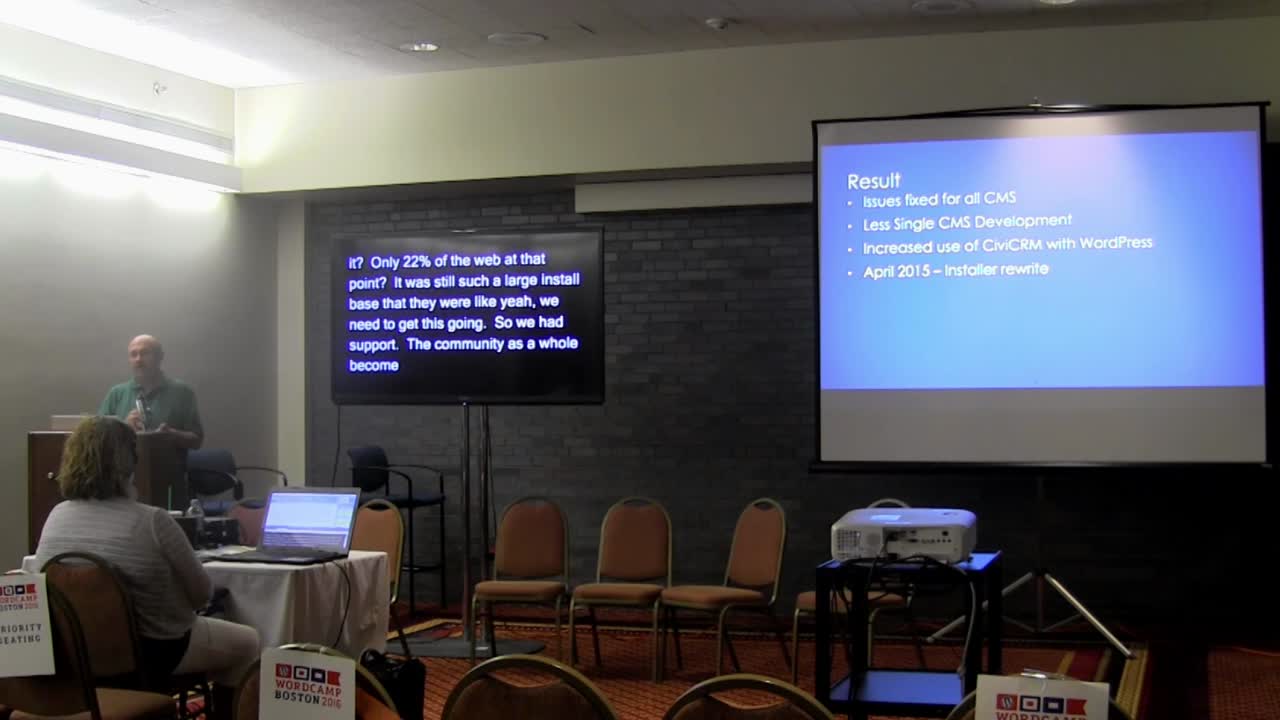
Kevin Cristiano: WordPress for NonProfit Organizations: An Open Source Journey
WordCamp Boston 2016Speaker: Kevin CristianoAugust 14, 2016 — This topic will cover how NonProfit Organizations (NPO) can make use of WordPress to track their constituents, donations, events, memberships and more. NPO have many choice, both open source and proprietary. This talk will expolre my journey with NPOs and technology from 1983 until today and how using an open source CRM has been a game changer. We will explore the integration of CiviCRM into WordPress as well as other options that exist for NPOs
-
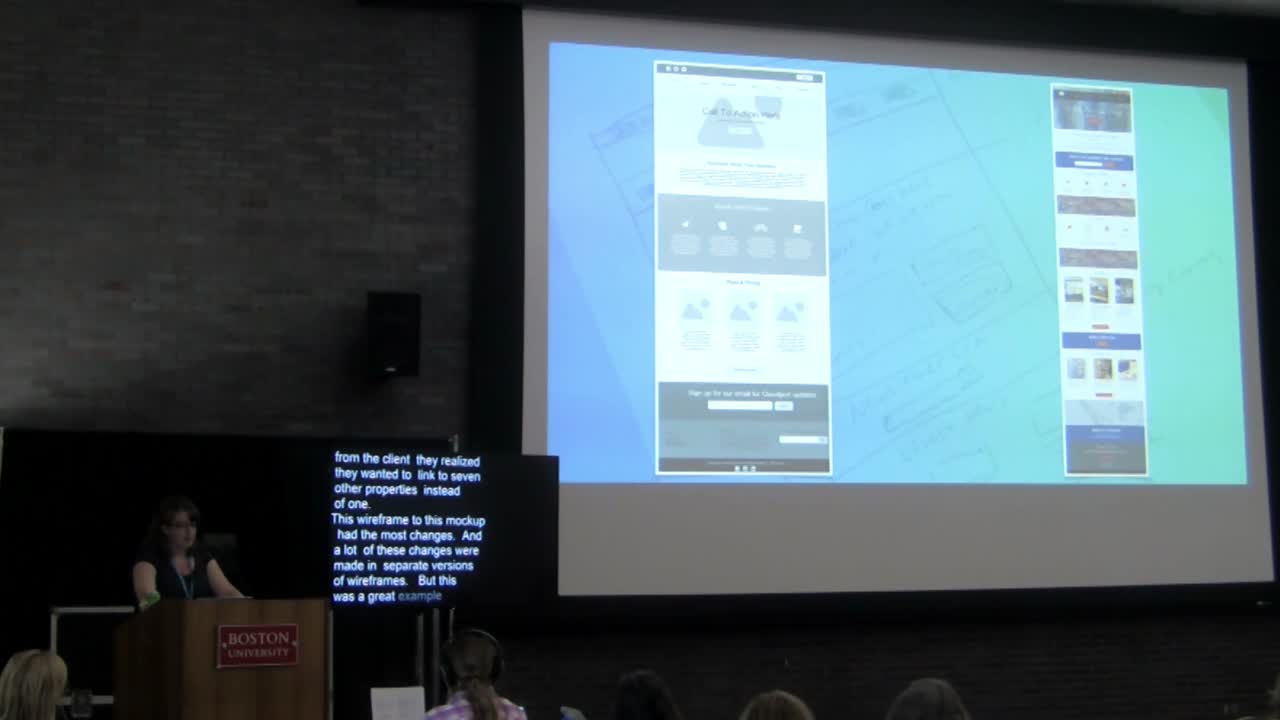
Karalyn Thayer: Introduction to Wireframing
WordCamp Boston 2016Speaker: Karalyn ThayerAugust 14, 2016 — Wireframing is an important first step in creating a website. From creating a napkin sketch to brainstorm ideas, to communicating quickly and effectively with other team members and clients, wireframes are at the foundation of creating a good user experience.
This presentation will be an introduction and overview of wireframing. Where we will go over the following topics:
What are wireframes and the different types
When to use each type of wireframe
How wireframes can help you communicate effectively with clients
The tools used (free and paid) to create wireframes -
Payton Swick: Writing Testable Plugins
WordCamp Boston 2016Speaker: Payton SwickAugust 14, 2016 — Over the course of WordPress’s existence, PHP has evolved into a first-class language. Unfortunately, left-overs like the global namespace make it all too easy to write code that’s hard to test. I’d like to take you on a tour through writing a WordPress plugin in a way that makes testing easy. Using features like generators, dependency injection, spies, and stubs, you can write tests which rock and produce better code while you’re at it!

An  Experiment
 WordPress.tv