
‘empowerment’ Videos
-

WordPress come strumento di empowerment per giovani attivisti
WordCamp Verona 2023Speaker: Hilda RamirezDecember 20, 2023 — L’8% della popolazione italiana è di origine straniera; di questi oltre 1,5 milioni sono giovani nati o cresciuti nel territorio. Molti di questi, sentendosi divisi tra l’identità italiana e quella del paese d’origine, e prendendo atto dei fenomeni sociali di esclusione, trovano nell’attivismo una modalità di espressione e di cittadinanza attiva. In questi spazi costruiscono alleanze tra nuove e vecchie generazioni, propongono azioni di lobby, mobilitano piazze e si rivolgono ai loro compagni. Sempre più spesso scelgono come canale vetrina siti a gestione autonoma su WordPress.
-

Michelle Ames: How to empower clients to use their websites – and client-proof them at the same time
WordCamp Hamilton 2019Speaker: Michelle FrechetteJuly 26, 2019 — Have you ever had a client insist on having admin access to their website? They own it, so they have that right…but how long did it take before they called you to fix what they broke once they logged in?
While clients who break their own sites are guaranteed revenue, those calls never come at a convenient time and are ALWAYS urgent.
So what can we do to both empower our clients and make sure their sites continue to run well?
This talk will present several ideas for ways that we can do just that, including:
Helpful pluginsHow to train a client in WordPressHow to set user permissionsHow to set pricing for fixing mistakesCreating a user manualOther tips for managing the client relationship
Attendees will leave with some good ideas and action items to better help clients help themselves…or not.
-
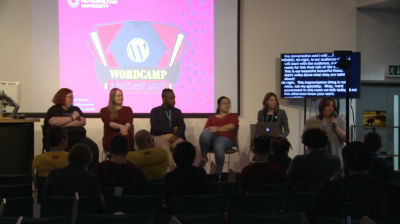
Panel Discussion: WordPowerment – Practical Approaches to Diversity and Empowerment in the WordPress Community
WordCamp London 2017Speakers: Cedric Kisema, Elizabeth S Barker, Jenny Wong, Jessica Rose Meri WilliamsMay 30, 2017 — Protecting diversity, empowering oneself and ones colleagues are difficult are challenging career questions that we all face at some point during our professional lives. As WordPress professionals, we are lucky that, in addition to our communities as freelancers, agencies or publishers, the larger WordPress community serves as a support network when we face these challenges. The goal of this panel is to bring together professionals from different sectors of the WordPress community to share their experiences facing questions of diversity and empowerment in the WP community.
-

Kathryn Presner: From Shadows to Limelight – How Women Found Their Voice At WordCamp Montreal
WordCamp US 2016Speaker: Kathryn PresnerDecember 11, 2016 — At Montreal’s first WordCamp, only four women spoke throughout the two-day, two-track event. People noticed. It didn’t feel right. Something had to change. By 2016, we’d had two straight WordCamps with at least 50% women speakers. How did we get from there to here? I’ll look at some of the strategies we used to #changetheratio.

An  Production
