
Language: English
-

Guillaume Molter: Code is Poetry — Why Code Quality Really Matters
WordCamp Lehigh Valley 2018Speaker: Guillaume MolterMarch 5, 2019 — Constant code refactoring, missed deadlines and exploding costs are some of the consequences of bad code quality.
In this talk I will try to convince you that good code quality, whether you are a one-man shop or a full-fledged development team, will help you to become truly Agile, honor deadlines and will improve the general happiness and motivation of your team.
-
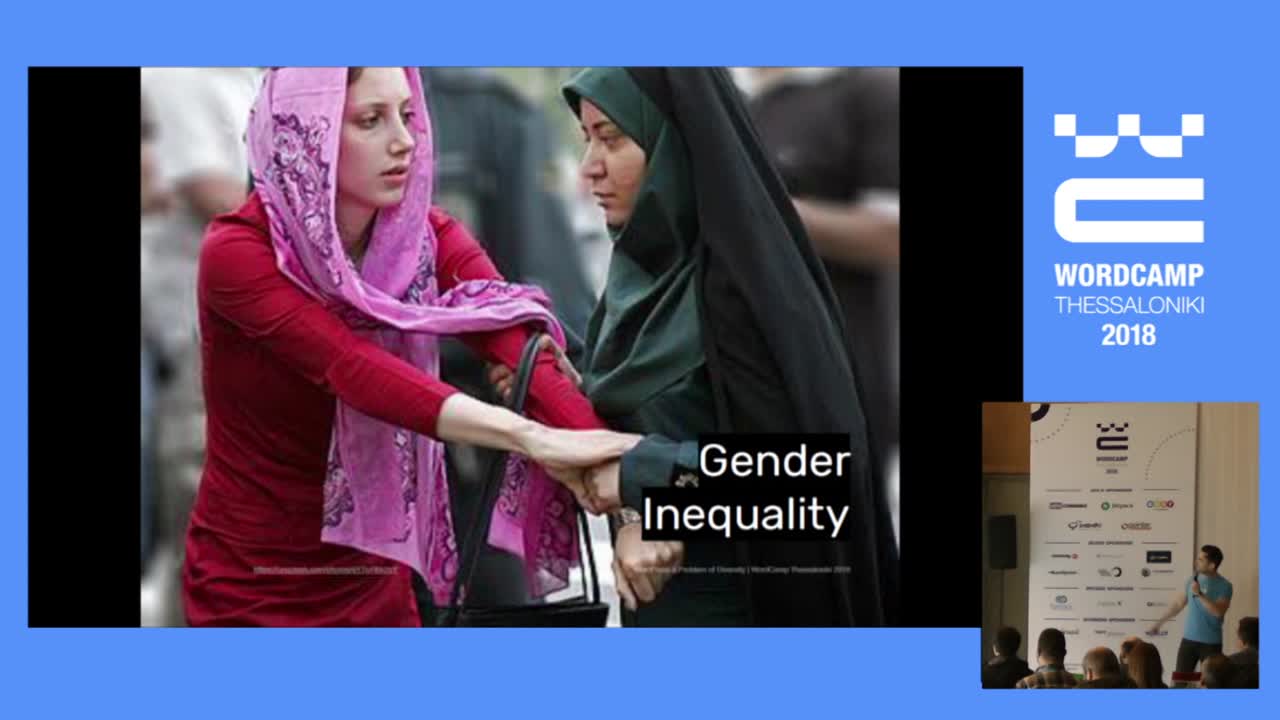
Maziar Firuzmand: WordPress and problem of diversity with a case study of Artbees
WordCamp Thessaloniki 2018Speaker: Maziar FiruzmandMarch 4, 2019 — Ιρανός στην καταγωγή, είναι συνιδρυτής του Artbees, μιας εταιρείας που βασίζεται στο WordPress μαζί με τον αδελφό του και έναν άλλο φίλο στο Ιράν και αντιμετώπισε το πρόβλημα των παγκόσμιων κυρώσεων και εμπάργκο κατά της χώρας του ακριβώς στα όρια του ξεκινήματός του. Έπρεπε να βρουν έναν τρόπο να λύσουν αυτό το αυξανόμενο παγκόσμιο πρόβλημα εντός των ορίων του νόμου και να προχωρήσουν προς τα όνειρά τους. Θα μοιραστεί την ιστορία του για την αντιμετώπιση όλων των προβλημάτων που έχουν επιβληθεί στους πολίτες μιας συγκεκριμένης χώρας από τον εξωτερικό κόσμο και πώς κατόρθωσαν να τα αντιμετωπίσουν επιτυχώς ένα προς ένα και να ιδρύσουν μια νόμιμη και επιτυχημένη επιχείρηση με 30+ μέλη σε όλο τον κόσμο από διαφορετικές φυλές, χώρες και θρησκείες. Στο πρώτο τμήμα της παρουσίασής του θα ορίσει το πρόβλημα της διαφορετικότητας που επηρεάζει τον κόσμο της τεχνολογίας με διάφορες μορφές. Στο δεύτερο μέρος θα υπογραμμίσει τον τρόπο με τον οποίο το WordPress ως μια ανοιχτή κοινότητα τους βοήθησε να αντιμετωπίσουν αυτά τα προβλήματα με επίκεντρο την περιπτωσιολογική μελέτη της εξέλιξης του Artbees και στο τελευταίο τμήμα θα ολοκληρώσει με έναν κατάλογο αρχών και πρακτικών που εναγκαλίζόνται το WordPress και η Automattic για να ενθαρρύνουν την ποικιλομορφία και τον τρόπο με τον οποίο μπορούν να εμπνεύσουν τον κόσμο της τεχνολογίας για την επίλυση του σημερινού προβλήματος της πολυμορφίας.
Being an Iranian, he has co-founded Artbees as a WordPress-based company along with his brother and one other friend in Iran and was faced with the problem of global sanctions and embargoes against his country right in the verge of their startup. They had to find a way to solve this growing global problem within confines of law and move towards their dreams. He is gonna share his story of dealing with all the problems imposed to the citizens of a particular country from outer world and how they managed to successfully address them one by one and make a legal and successful business with 30+ members around the globe from different race, country, and religions. In the first section of his presentation, he will define the problem of diversity affecting the tech world in different forms. In the second part he will delineate how WordPress as an open community helped them address these problem with a focus on case study of the evolution of Artbees and in the last section he will conclude by a list of principles and practices WordPress and Automattic embrace to encourage diversity and how they can inspire the tech world to solve the current problem of diversity.
-

Jonathan Ober: Advanced Custom Fields for the Non-Advanced
WordCamp Lehigh Valley 2018Speaker: Jonathan OberMarch 4, 2019 — I want to teach novice designers and developers how to jump into Advanced Custom Fields without being overwhelmed. I will show the designer front end and some of the things that can be achieved with ACF as well as the code behind scenes of ACF in the form of site-wide Theme Options, and page and post customizations.
Audience: Early learners of WordPress as well as those looking to get into ACF for the first time.
What is ACF?
Advanced Custom Fields is a WordPress plugin which allows you to add extra content fields to your WordPress edit screens. These extra content fields are more commonly referred to as Custom Fields and can allow you to build websites faster and educate your clients quicker. -
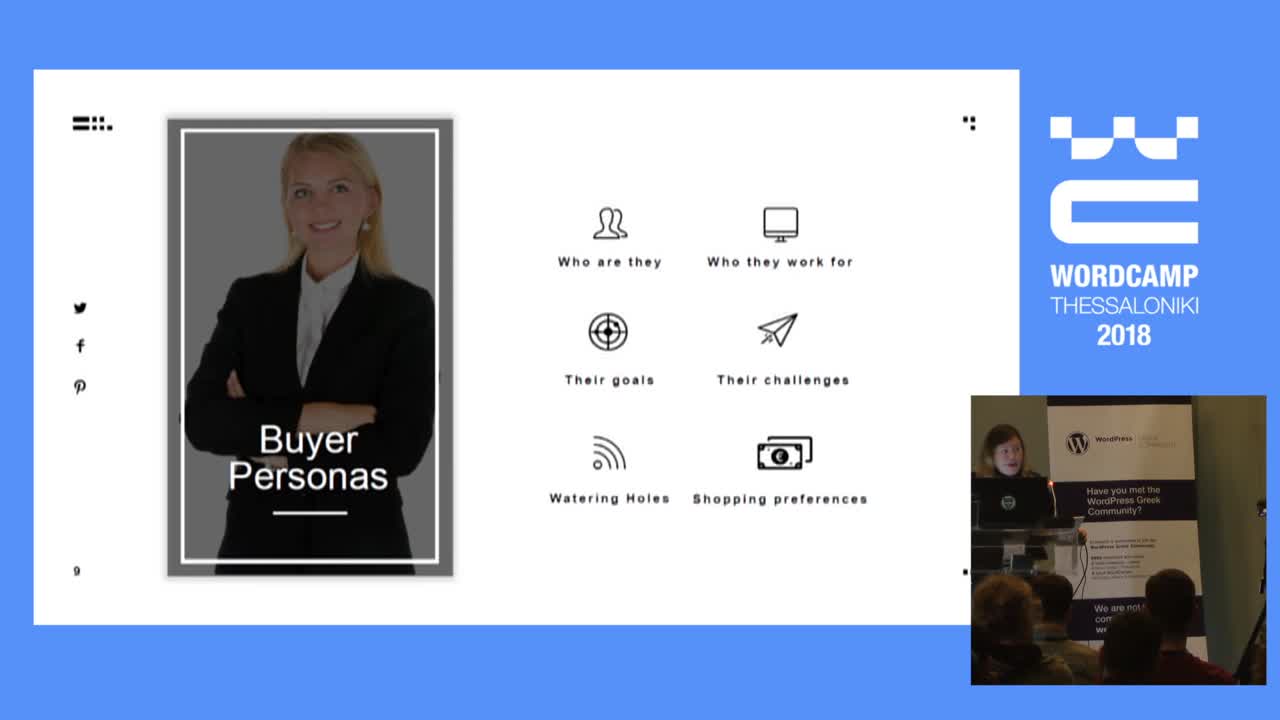
Marina Vassilyovska: The Art of Inbound marketing 2019 – Revolutionize your digital presence
WordCamp Thessaloniki 2018Speaker: Marina VassilyovskaMarch 4, 2019 — Στην ομιλία της Μαρίνας θα περάσουμε από τα βασικά της μεθοδολογίας του Inbound μάρκετινγκ και θα καλύψουμε όλα όσα πρέπει να γνωρίζετε εάν θέλετε να υιοθετήσετε αυτήν την καταπληκτική προσέγγιση και να μετατρέψετε πλήρως την ηλεκτρονική παρουσία σας.
During Marina’s talk we’ll go through the basics of the Inbound marketing methodology and we’ll cover everything you need to know if you want to adopt this amazing approach and transform entirely your online presence.
-

Michelle Levine: Dig in on Grid
WordCamp Portland 2018Speaker: Michelle LevineMarch 4, 2019 — You’ve heard of CSS Grid but you aren’t quite sure what it is. Or maybe you have started looking at it, but don’t know where to get started. Join me to get hands-on experience in building modern layouts using CSS Grid (and Flexbox). Learn where we came from (hacks, floats, and more hacks) and where we are going. Discover solutions to “impossible layouts”, how to handle users in older browsers, and about the power of Firefox debugging tools for grid.
-

Matt Ryan: WordPress Security – More than a Green Padlock!
WordCamp Lehigh Valley 2018Speaker: Matt RyanMarch 4, 2019 — You have your SSL certificate and the green padlock in the address bar. You’re done. Your website is secure. Right? No? Huh? Whadda I need to do? Let’s take a walk past the Let’s Encrypt cloak of security and see what you really need to do to help secure your website from the dangers of the public interwebs. No programming needed. A little common sense, a plugin or two and you are well on your way to securing your site. It takes is a few straightforward steps to eliminate almost all of the security vulnerabilities in the basic setup of your WordPress website.
-

Panel: discussion on Project Guttenberg
March 4, 2019 — Panel discussion on Project Guttenberg
-

Eileen Violini: No Room for Cowboys – Building a modern WordPress Workflow
WordCamp Lehigh Valley 2018March 1, 2019 — With the rise of the new WordPress editor, developing websites has become sufficiently complex to compel even the most ardent of cowboy coders to consider developing in a local environment. This talk will review the tools and techniques needed to create local environments that mirror production sites, allow for safe alteration of code and data, as well as delivering changes to production websites.
-

Joe Casabona: Preparing Your Clients for Gutenberg
WordCamp Lehigh Valley 2018Speaker: Joe CasabonaMarch 1, 2019 — As WordPress 5.0 comes closer to launch, it’s important to start thinking about how we’re going to train and prepare out clients – both new and current – on the new editor. In this talk, we’ll go over how to communicate the changes to your clients, a test plan, and some things to look out for when prepping your theme.
-

Chris Berkley: Using WordPress Post Tags and Categories Effectively
WordCamp Lehigh Valley 2018Speaker: Chris BerkleyMarch 1, 2019 — Tags and Categories are often misunderstood and are often misused or abused in ways that can hurt SEO and provide a poor user experience.
This talk will show WordPress publishers how to create a tag and category hierarchy that can be easily applied to their site’s blog. I’ll discuss the SEO benefits as well as how this can help with content strategy.

An  Brainchild
