
Speakers: Pascal Birchler
-

Client-Side Media Processing in WordPress
WordCamp US 2024Speaker: Pascal BirchlerOctober 10, 2024 — The WordPress media library currently relies on server-side processing for tasks like image resizing. This can result in strained server resources and a subpar user experience. Client-side processing provides a solution to enhance both performance and UX by leveraging the user’s browser capabilities and technologies such as WebAssembly. This presentation dives into the technical aspects of media handling in WordPress and demonstrates the exciting benefits of the new client-side processing approach. It sparks your imagination by showcasing how these powerful new capabilities revolutionize media management and pave the way for new use cases within WordPress core and beyond.
-

Democratizing Performance
WordCamp Asia 2024Speaker: Pascal BirchlerApril 9, 2024 — Performance is essential for user experience and is becoming increasingly important for search engines through core web vitals. Just as WordPress democratizes publishing, it can also play a significant role in making good performance accessible to everyone.
This presentation highlights recent improvements made by the WordPress core performance team and upcoming new features that the team is working on. Developers will learn about existing and new tools available to them to identify performance issues in plugins and themes.
The presentation also depicts a future where site owners do not have to worry about performance thanks to a faster ecosystem, transparent performance ratings, and helpful AI assistants that can help analyze websites, identify potential performance issues, and provide custom-tailored solutions.
-
Pascal Birchler: On multilingual WordPress sites
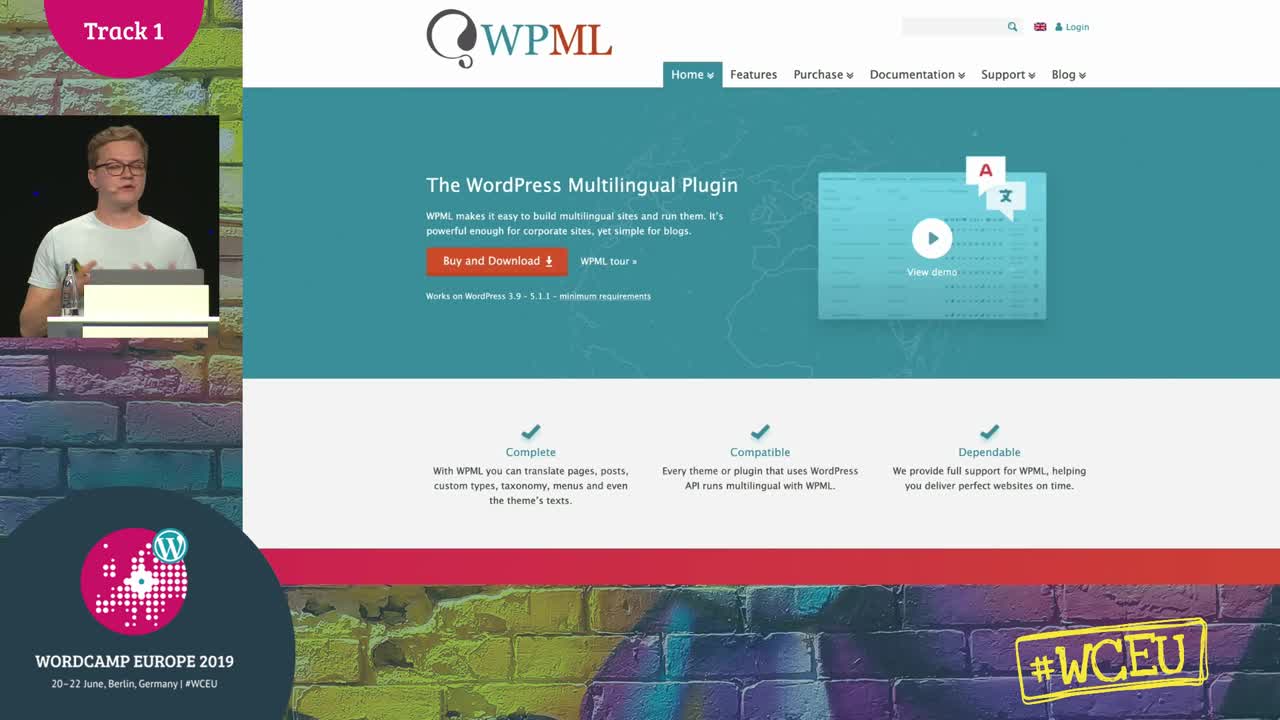
WordCamp Europe 2019Speaker: Pascal BirchlerOctober 11, 2019 — To democratise publishing, internationalisation is one of many barriers that WordPress needs to overcome. That’s why, for 2020 and beyond, the goal is to find an official way to build multilingual websites. Until now, this was considered to be plugin territory, but what is needed to make WordPress a true polyglot? Pascal will cover the status quo of multilingual WordPress websites and share ideas — both from a technical and a user’s perspective — on how WordPress could evolve in this area over the next few years.
-

Pascal Birchler: Multilingual WordPress – An Exploration
WordCamp Vienna 2019Speaker: Pascal BirchlerAugust 5, 2019 — To democratize publishing, internationalization is just one of many barriers that WordPress needs to overcome. That’s why for 2020 and beyond, the goal is to find an official way to build multilingual websites. Up until now, this was considered to be plugin territory. But what is needed to make WordPress a true polyglot?
This talk covers the status quo of multilingual WordPress websites and shares some ideas — both from a technical and a user perspective — on how WordPress could evolve in this area over the next few years. -

Pascal Birchler: WordPress Internationalization Workflows
WordCamp Johannesburg 2018Speaker: Pascal BirchlerApril 14, 2019 — Soon after the release of WordPress 15 years ago, support for internationalization was added to the software. This meant that themes, plugins, and WordPress itself could be translated. This was a huge deal as WordPress is used all over the world, in countries where English is not the main language. WordPress was quickly translated into German, Japanese and many more languages.
Over the years, WordPress has steadily improved the way we have to work with internationalization. However, challenges still exist and there will always be new ones ahead. Projects like Gutenberg and ecosystems beyond WordPress.org force us to continuously iterate.
In this talk you’ll learn how to make use of the latest and greatest technology to make your WordPress plugin or theme fully internationalized. Pascal is going to highlight how you can leverage the powers of WordPress, GlotPress, and WP-CLI to improve the translation workflow in your WordPress projects.
-

Panel: Contributing to WordPress
WordCamp Cape Town 2018Speakers: Vedanshu Jain, Hugh Lashbrooke, Thabo Tswana, Pascal Birchler, Trisha CorneliusFebruary 4, 2019 — Have you ever wanted to contribute to WordPress, but just don’t know where to start? In this panel we will bring together a group of experienced WordPress contributors to discuss all the varied ways that you can easily become involved in the WordPress project.
-

Internationalization in the age of Gutenberg
WordCamp London 2018Speaker: Pascal BirchlerDecember 31, 2018 — As software engineers and designers we need to make sure that our solutions can be used by as many people as possible. One important factor for this is internationalisation.
With tools and best practices rapidly changing, and new solutions like Gutenberg emerging, it’s time to look at how to properly internationalise and localise modern web applications.
In this presentation, I’m going to explain the concept behind internationalisation, localisation, and why we need to do more than just “making things translatable”.
I will highlight existing tools, interfaces, and best practices to get internationalisation right in the UIs we create and the code we write, no matter if it’s PHP, HTML, CSS, or JavaScript.”
-
Pascal Birchler: WordPress Internationalization Workflows
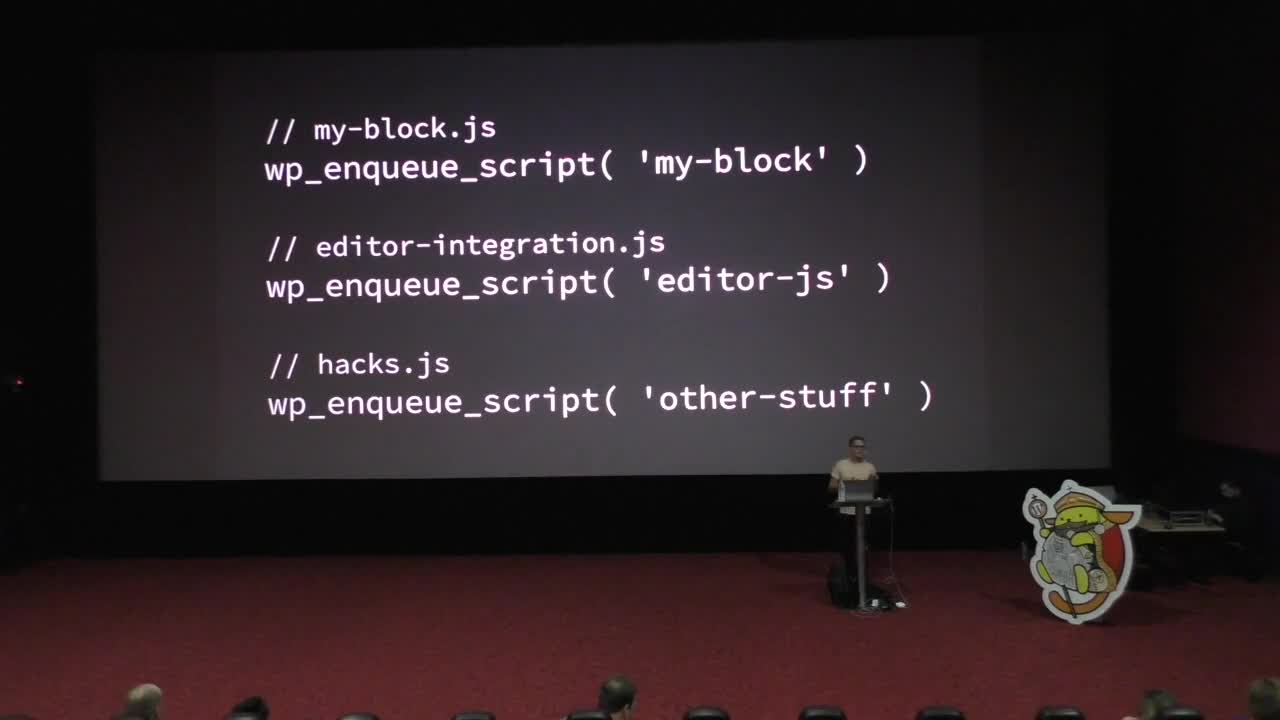
WordCamp Sofia 2018Speaker: Pascal BirchlerDecember 10, 2018 — Over the years, WordPress has steadily improved the way we have to work with internationalization. However, challenges still exist and there will always be new ones ahead. Projects like Gutenberg and ecosystems beyond WordPress.org force us to continuously iterate.
Soon after the release of WordPress 15 years ago, support for internationalization was added to the software. This meant that themes, plugins, and WordPress itself could be translated. This was a huge deal as WordPress is used all over the world, in countries where English is not the main language. WordPress was quickly translated into German, Japanese and many more languages.
In this talk you’ll learn how to make use of the latest and greatest technology to make your WordPress plugin or theme fully internationalized. Pascal is going to highlight how you can leverage the powers of WordPress, GlotPress, and WP-CLI to improve the translation workflow in your WordPress projects.
-

Pascal Birchler: WordPress Internationalization Workflows
WordCamp Tokyo 2018Speaker: Pascal BirchlerOctober 5, 2018 — Soon after the release of WordPress 15 years ago, support for internationalization was added to the software. This meant that themes, plugins, and WordPress itself could be translated. This was a huge deal as WordPress is used all over the world, in countries where English is not the main language. WordPress was quickly translated into German, Japanese and many more languages.
Over the years, WordPress has steadily improved the way we have to work with internationalization. However, challenges still exist and there will always be new ones ahead. Projects like Gutenberg and ecosystems beyond WordPress.org force us to continuously iterate.
In this talk you’ll learn how to make use of the latest and greatest technology to make your WordPress plugin or theme fully internationalized. Pascal is going to highlight how you can leverage the powers of WordPress, GlotPress, and WP-CLI to improve the translation workflow in your WordPress projects.
WordPress 国際化のワークフロー
このセッションでは、WordPress のテーマやプラグインを完全に国際化するためにどうやって最新技術を活用すればよいかご紹介します。WordPress、GlotPress、そして WP-CLI を使って WordPress プロジェクトでの翻訳フローを改善するやり方を学びませんか。
-
Pascal Birchler: Internationalisation Done Right
WordCamp Bern 2017Speaker: Pascal BirchlerOctober 4, 2017 — As developers, we try to follow best practices in our daily work. One such best practice is internationalisation, a term that’s used a lot in the ever globalizing world in which we live. However, it’s often not fully understood or not used to its full extent.
In this presentation, I’m going to explain the concept behind internationalisation, localization, and their benefits. I will show how culture influences the user’s behaviour and why we need to do more than just “making things translatable”. For example, internationalisation is also about date formats, text direction, meaning of symbols, and even humour.
Internationalisation has a massive impact on user acceptance and usability. I will highlight existing tools, interfaces, and best practices to get internationalisation right in the UIs we create and the code we write.

An  Brainchild
